Hindustani Classical Music is one of the two major traditions of Indian classical music, the other being Carnatic music from South India. Hindustani music developed primarily in North India and has a history that spans over a thousand years.
🔹 Key Features of Hindustani Classical Music:
1. Raga System:
- Raga is the central concept – a melodic framework for improvisation and composition.
- Each raga has a specific mood (rasa), time of day, and set of notes (swaras).
- There are Arohana (ascending scale) and Avarohana (descending scale) patterns.
2. Tala (Rhythm):
- Time in Hindustani music is structured through talas, rhythmic cycles like Teentaal (16 beats), Ektaal (12 beats), etc.
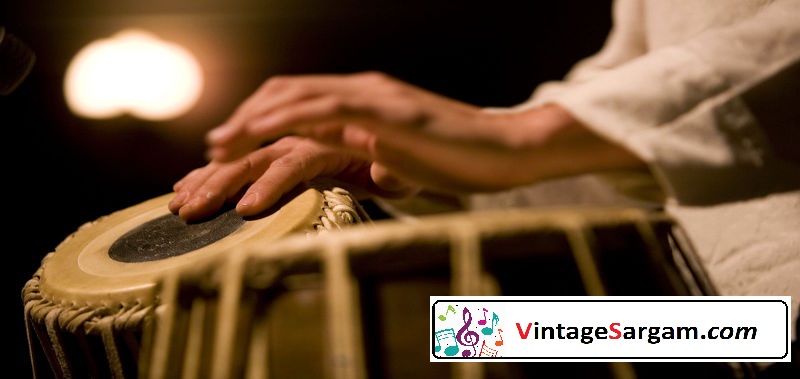
- The tabla is the main percussion instrument.
3. Improvisation:
- A large part of the performance involves improvisation within the framework of a raga.
- The artist gradually develops the raga through sections like Alap, Jor, Jhala, and Gat (instrumental) or Bandish (vocal).
4. Instruments:
- Common instruments: Sitar, Sarod, Tabla, Harmonium, Tanpura, Bansuri, Santoor, etc.
5. Vocal Styles (Gharanas):
- Vocal music is highly prominent, with styles like:
- Khayal – most popular, highly improvisational.
- Dhrupad – older, more austere form.
- Thumri, Tappa, Tarana, etc. – lighter, expressive forms.
- Different schools of music called gharanas (e.g., Gwalior, Jaipur, Kirana) offer unique stylistic interpretations.
🔹 Historical Context:
- Evolved from Vedic chant traditions and regional folk music.
- Influenced significantly by Persian and Islamic culture during the Mughal period.
- Court musicians like Tansen, one of the “Navratnas” (nine jewels) in Akbar’s court, were key figures in its development.
🔹 Spiritual and Emotional Expression:
- Not just entertainment — often used as a means of spiritual expression, meditation, and devotion.
- Each raga is associated with a specific mood (bhava) and emotion (rasa).