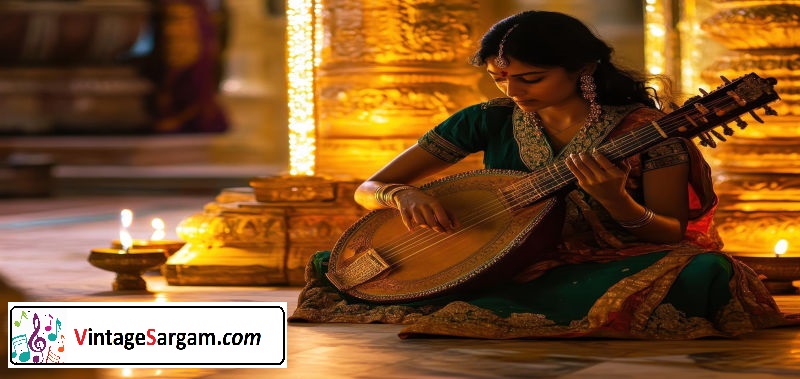
In Hindustani Classical Music, a Raga is a melodic framework for improvisation and composition. Each raga is defined by specific rules for ascending (Arohana) and descending (Avarohana) note patterns, important notes (Vadi and Samvadi), characteristic phrases (Pakad), time of performance, and emotional essence (Rasa).
Here are some well-known ragas in Hindustani Classical Music, categorized by the time of day they are traditionally performed:
🌅 Morning Ragas
These ragas evoke calmness, devotion, or freshness.
- Raga Bhairav
- Arohana: Sa Re Ga Ma Pa Dha Ni Sa
- Mood: Serious, devotional
- Raga Ahir Bhairav
- Mix of Bhairav and Kafi, softer than Bhairav
- Raga Todi
- Highly expressive, associated with pathos and longing
☀️ Afternoon Ragas
Generally more elaborate and intense.
- Raga Sarang (e.g., Brindavani Sarang)
- Raga Multani
- Raga Patdeep
- Romantic and poignant; used in semi-classical styles too
🌇 Evening Ragas
These are some of the most expressive and popular ragas.
- Raga Yaman
- Arohana: Ni Re Ga Ma(tivra) Pa Dha Ni Sa
- Mood: Romantic, serene
- Raga Marwa
- Raga Bihag
🌙 Night Ragas
Reflect calmness, introspection, or romance.
- Raga Darbari Kanada
- Deep, majestic, and serious
- Raga Malkauns
- Pentatonic scale, meditative, used for deep emotional expression
- Raga Kedar
- Raga Desh
- Patriotic and joyful (used in folk and light classical music)
🎶 Seasonal Ragas
These are tied to specific seasons, carrying the mood of that season.
- Raga Megh / Megh Malhar (Monsoon)
- Raga Basant (Spring)
- Raga Bahar (Spring)
📌 Other Popular Ragas
- Raga Hamsadhwani – Auspicious, often used to begin a concert
- Raga Deskar – Simple, often used in bhajans
- Raga Bageshree – Evokes longing and devotion